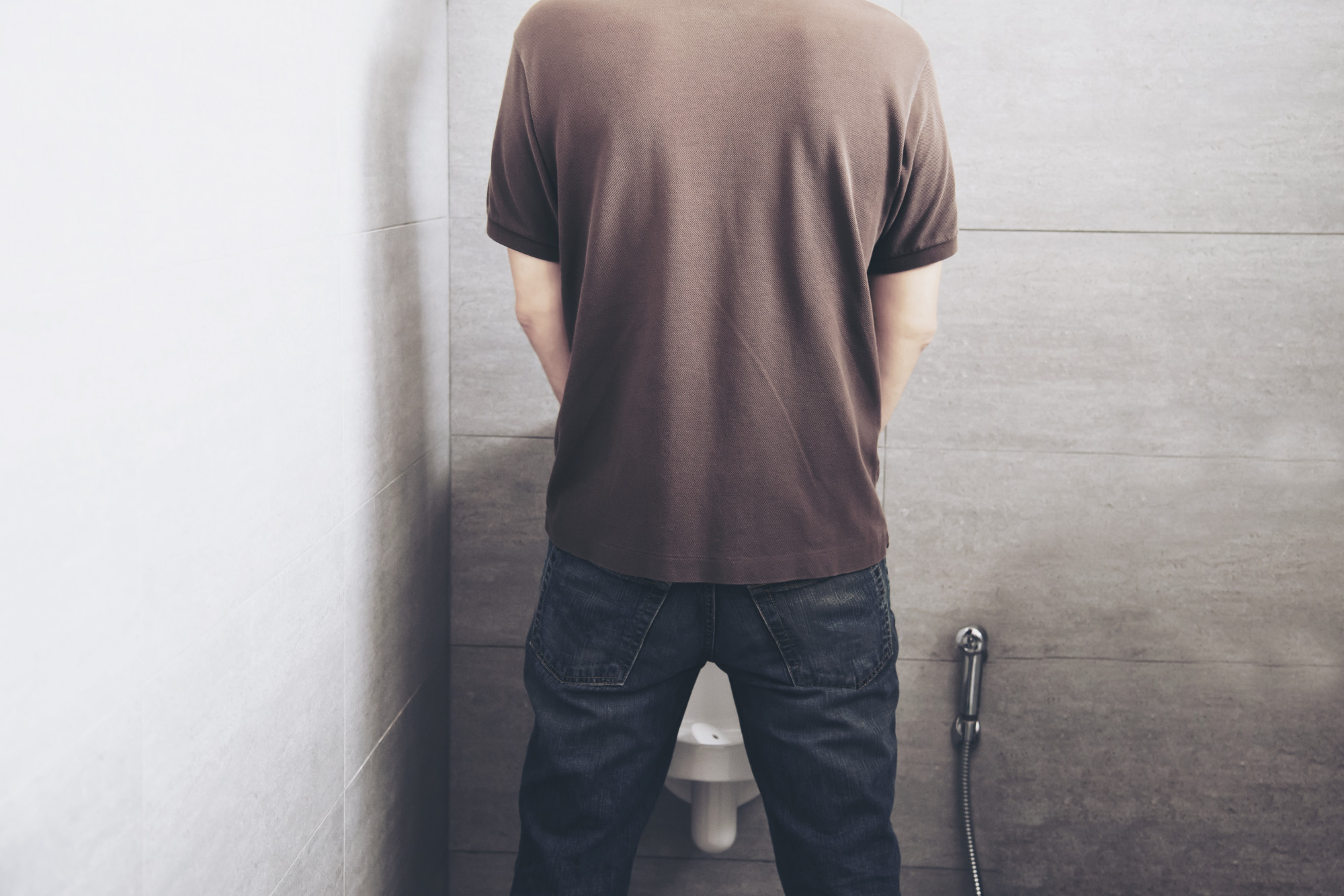
What is Overactive Bladder?
Overactive bladder is a common condition. It causes a sudden urge to urinate, which can be hard to control. Many people also feel the need to urinate often, even at night. Because these symptoms can affect daily life, understanding the causes of overactive bladder is important for bladder health.
Doctors in urology help people manage these symptoms. Overactive bladder is not a disease, but a group of symptoms. For example, you may feel urinary urgency or leak urine by accident. Although it can happen to anyone, it is more common as people get older.
Common Causes of Overactive Bladder
Several things can lead to overactive bladder. Sometimes, the bladder muscle contracts too often. Other times, nerve signals between the brain and bladder do not work well. As a result, you may feel a strong urge to urinate.
Sometimes, the exact cause is not clear. However, doctors can help find the reason in most cases.
Risk Factors and Who is at Risk?
Anyone can develop overactive bladder, but some people have a higher risk. Knowing the risk factors for overactive bladder can help you take steps to protect your bladder health.
For example, as people age, the bladder muscle and nerves may weaken. In addition, some health conditions can raise the risk.
How Causes are Identified (Diagnosis Overview)
Doctors use several steps to find the causes of overactive bladder. First, they ask about your symptoms and health history. Next, they may do a physical exam. Sometimes, urine tests or bladder scans are needed.
Because many things can cause these symptoms, doctors may use more than one test. This helps them find the best treatment for you.
Lifestyle and Prevention Tips
While you cannot always prevent overactive bladder, some steps can help. In many cases, small changes can improve bladder health and reduce symptoms.
For example, regular exercise and a balanced diet can lower your risk. In addition, talking to your doctor about medicines may help.
When to See a Urologist
Sometimes, overactive bladder symptoms do not go away with simple changes. If you notice sudden urges, leaks, or pain, it is time to see a urology specialist. Early care can prevent problems from getting worse.
Remember, a urologist can help find the cause and suggest the right treatment. Do not wait if your symptoms affect your daily life.
Call to Action: If you experience symptoms of overactive bladder, consult a urology specialist for personalized advice.