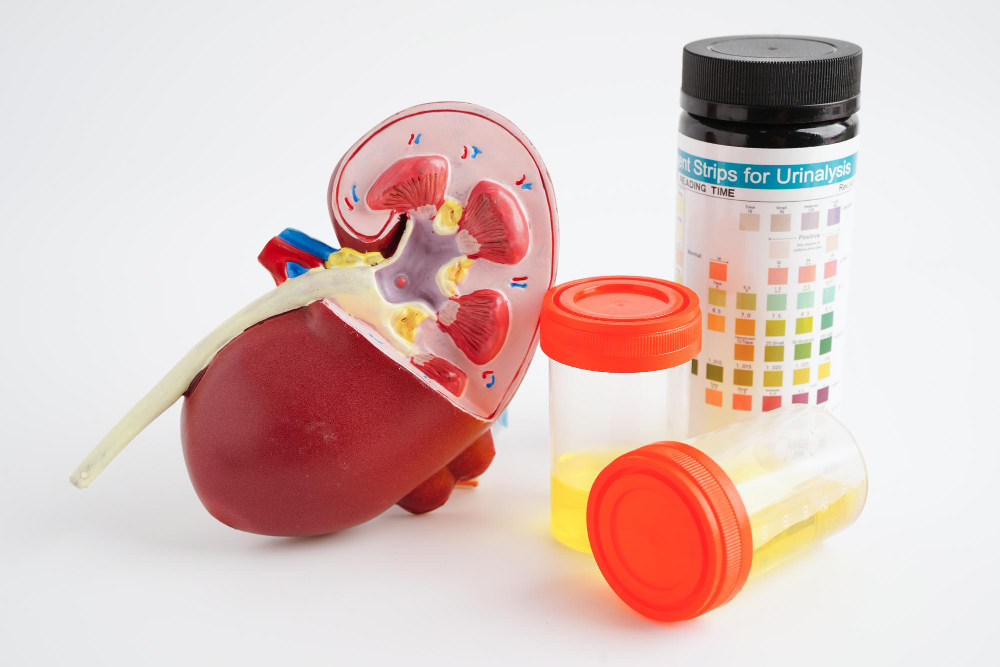
What is Hematuria?
Hematuria means there is blood in your urine. Sometimes, you can see the blood. Other times, it is only found with a urine test. Although hematuria can be harmless, it may also signal a health problem. For this reason, paying attention to urinary health is important. Blood in urine can worry anyone, but knowing the facts helps you stay calm and informed.
Common Causes of Hematuria
Many things can cause hematuria. Some causes are minor, while others need medical care. For example, exercise or minor injuries may lead to blood in urine. However, certain health issues are more serious. Below are common causes:
According to the CDC, urinary tract infections are a leading cause of hematuria in adults and children.
Symptoms to Watch For
Sometimes, hematuria is the only sign. However, you may notice other symptoms. For instance, you might feel pain or burning when you urinate. In addition, you could see pink, red, or brown urine. Watch for these signs:
If you notice any of these symptoms along with blood in your urine, it is important to pay attention. Early action can help prevent complications.
When to See a Doctor
While some causes of hematuria are harmless, others are not. Therefore, you should never ignore blood in your urine. See a doctor right away if:
In cities like New York, Los Angeles, or Chicago, many clinics offer same-day appointments for urinary health concerns. No matter where you live, do not delay seeking help.
Diagnosis and Tests
Doctors use several tests to find the cause of hematuria. First, they will ask about your medical history. Next, they may do a physical exam. Common tests include:
According to the National Institutes of Health, these tests help doctors find the cause and plan the right treatment.
Treatment Options
Treatment for hematuria depends on the cause. For example, if an infection is present, antibiotics can help. If kidney stones are the problem, drinking more water or medical procedures may be needed. Sometimes, no treatment is needed if the cause is harmless. However, if cancer or another serious issue is found, your doctor will discuss the best plan. Always follow your doctor’s advice for the best results.
Prevention and Lifestyle Tips
While not all cases of hematuria can be prevented, you can lower your risk. Try these tips:
In addition, staying active and eating a balanced diet can support urinary health. Early action and healthy habits make a big difference.
Conclusion: If you notice blood in your urine, consult a urologist or healthcare provider for personalized advice. Early care can help protect your health.