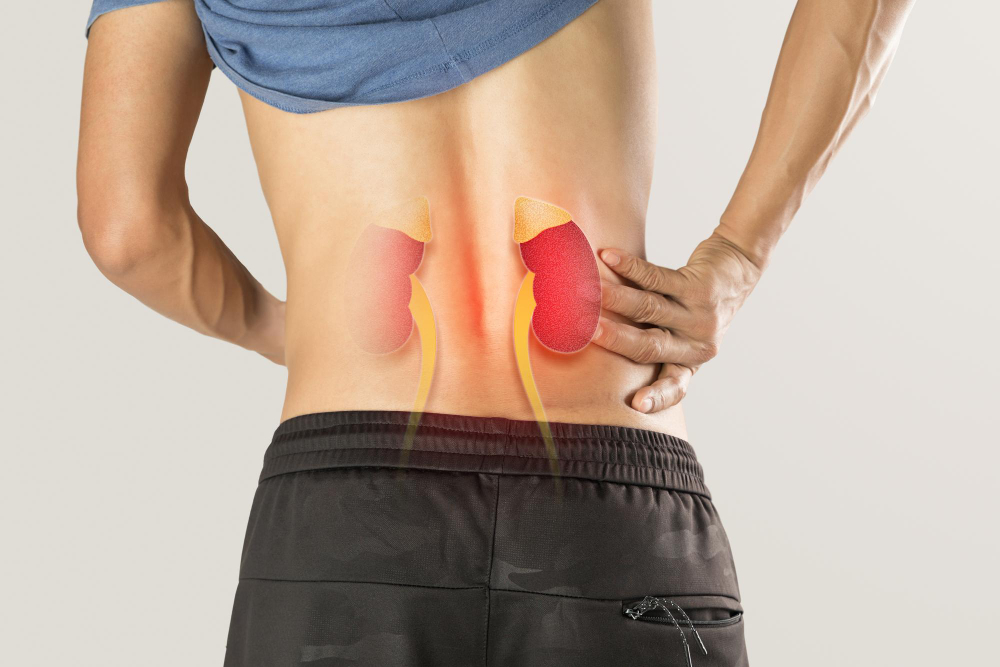
What Are Kidney Stones?
Kidney stones are hard, pebble-like pieces that form in your kidneys. They can cause pain when they move through your urinary tract. Many people wonder how to prevent kidney stones because they can be very uncomfortable. In fact, kidney stone prevention tips are important for everyone, especially if you have had stones before. According to the CDC, kidney stones affect about 1 in 11 people in the United States.
Why Do Kidney Stones Form? (Causes)
Kidney stones form when certain minerals and salts build up in your urine. Over time, these minerals stick together and create stones. For example, not drinking enough water can lead to more concentrated urine, which makes stones more likely. Eating too much salt or animal protein can also raise your risk. Sometimes, medical conditions like urinary tract infections or certain medications can cause stones as well.
Who Is at Risk?
Anyone can get kidney stones, but some people have a higher risk. For instance, if you have a family history of kidney stones, your chances increase. People who do not drink enough water, especially in hot climates, are also at risk. In addition, those who eat a diet high in salt, sugar, or animal protein may develop stones more easily. Certain health problems, such as obesity or digestive diseases, can make kidney stones more likely.
Symptoms of Kidney Stones
Kidney stones can cause a range of symptoms. Sometimes, you may not notice them until they move. However, common signs include:
If you notice these symptoms, you should seek medical help right away.
Top Tips to Prevent Kidney Stones
Preventing kidney stones is possible with a few simple steps. Here are some top kidney stone prevention tips:
For those living in hot areas, you may need to drink even more water to stay hydrated.
Lifestyle and Dietary Guidance
Making small changes in your daily life can help prevent kidney stones. First, always carry a water bottle and sip throughout the day. Next, read food labels to watch your salt intake. Choose fresh foods over processed ones, as they often have less salt and sugar. If you enjoy tea or coffee, drink them in moderation. Also, add more fiber to your meals by eating whole grains, fruits, and vegetables. Remember, hydration for kidney health is key. If you sweat a lot, replace lost fluids quickly. Finally, talk to your doctor before making big changes to your diet.
When to See a Doctor
If you have had kidney stones before, regular check-ups are important. However, you should see a doctor right away if you have severe pain, blood in your urine, or trouble urinating. Early treatment can prevent problems and help you stay healthy. Your doctor can also give you personalized advice on preventing urinary stones based on your health and lifestyle.
For more information, you can visit trusted sources like the CDC or the National Kidney Foundation.
Consult a healthcare professional for personalized advice on kidney stone prevention.