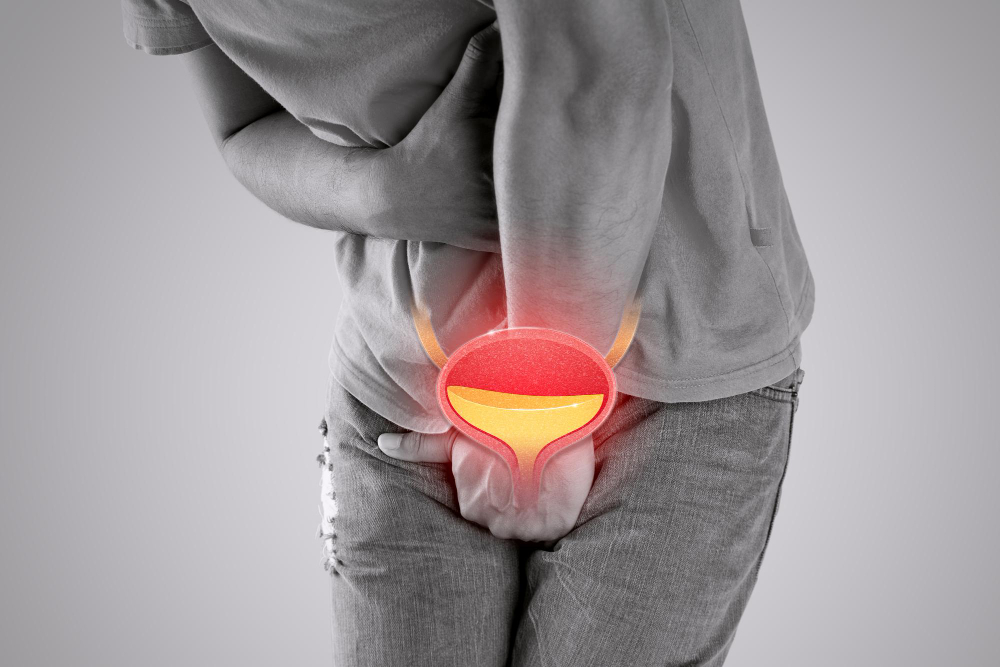
What Is Interstitial Cystitis?
Interstitial cystitis is a long-term bladder condition. It causes pain and pressure in the bladder area. Often, people feel the urge to urinate often. However, there is no clear infection or cause. This condition is also called painful bladder syndrome. In the United States, many people live with chronic bladder pain. For some, finding the cause is hard. Interstitial cystitis is one of the main urology bladder conditions that can lead to ongoing discomfort. Because the symptoms can look like other problems, it is important to learn more about this condition.
Common Symptoms
People with interstitial cystitis may notice several signs. These symptoms can come and go. Sometimes, they get worse for a while. For example, stress or certain foods may trigger them. Common symptoms include:
Although these symptoms are common, they can be different for each person. Sometimes, symptoms are mild. Other times, they can be severe and affect daily life.
Possible Causes and Risk Factors
Doctors do not know the exact cause of interstitial cystitis. However, several factors may play a role. For instance, some people may have a problem with the bladder lining. Others may have an overactive immune system. The following risk factors may increase the chance of developing this condition:
Still, anyone can develop interstitial cystitis. Because the cause is not clear, more research is ongoing. The National Institutes of Health and CDC continue to study this condition.
How Interstitial Cystitis Is Diagnosed
Doctors use several steps to diagnose interstitial cystitis. First, they ask about your symptoms and health history. Next, they may do a physical exam. Often, urine tests help rule out infections or other bladder pain causes. Sometimes, doctors use a test called cystoscopy. This lets them look inside the bladder with a small camera. In some cases, a biopsy may be needed. Because other urology bladder conditions can look similar, a careful diagnosis is important. If you have ongoing bladder pain, see a urology specialist for proper testing.
Treatment Options
Treatment for interstitial cystitis aims to ease symptoms. There is no single cure. However, many people find relief with a mix of treatments. Common options include:
Because each person is different, doctors create a plan that fits your needs. The American Urological Association recommends starting with the least invasive treatments first.
Lifestyle Tips for Managing Bladder Pain
Along with medical care, lifestyle changes can help manage chronic bladder pain. For example, you can:
Although these tips may not cure interstitial cystitis, they can make daily life easier. Always talk to your doctor before making big changes.
Prevention and When to See a Doctor
Currently, there is no known way to prevent interstitial cystitis. However, early treatment can help manage symptoms. If you notice ongoing bladder pain, frequent urination, or pain during sex, see a doctor. In particular, if symptoms last more than a few days, do not wait. Early care can rule out other bladder pain causes and start you on the right treatment. In the United States, urology specialists are trained to help with these conditions.
In summary, interstitial cystitis can be a challenging condition. However, with the right care, many people find relief. Consult a urology specialist for personalized advice on interstitial cystitis.