What Are Ureteral Stones?
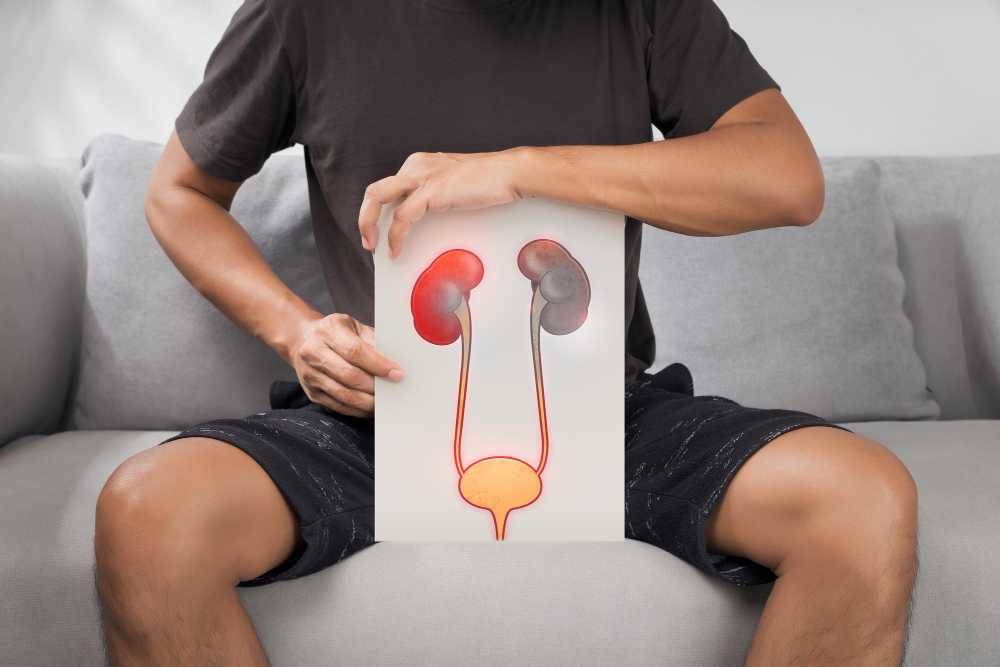
Ureteral stones are small, hard deposits that form in the kidneys and move into the ureter. The ureter is the tube that carries urine from the kidney to the bladder. When a stone gets stuck in the ureter, it can cause pain and block urine flow. Ureteral stones are a common problem. According to the CDC, kidney stones affect about 1 in 11 people in the United States. If you have ureteral stones, you may need medical care to remove them and prevent future stones.
Common Symptoms
Many people with ureteral stones notice symptoms when the stone blocks the flow of urine. However, some small stones may not cause any symptoms. Common signs include:
For example, if you notice sudden severe pain or blood in your urine, you should seek medical help right away.
Causes and Risk Factors
Ureteral stones form when minerals in the urine stick together and create crystals. Over time, these crystals grow into stones. Several factors can increase your risk:
Additionally, people who have had stones before are more likely to get them again.
Diagnosis Methods
Doctors use several methods to diagnose ureteral stones. Early diagnosis can help prevent complications. Common tests include:
For instance, a CT scan is often the best way to find small stones. If you have symptoms, your doctor may order one or more of these tests to confirm the diagnosis of ureteral stones.
Treatment Options
Treatment for ureteral stones depends on the size and location of the stone. Many small stones pass on their own with time. However, larger stones may need medical help. Treatment options include:
For those seeking ureteral stone treatment in their area, local hospitals and urology clinics can provide these services. Always follow your doctor’s advice for the best results.
Prevention Tips
While not all ureteral stones can be prevented, you can lower your risk with some simple steps. Here are some tips for preventing ureteral stones:
Because prevention is easier than treatment, making these changes can help you avoid future problems.
When to See a Doctor
Sometimes, ureteral stones can cause serious problems. You should see a doctor if you have:
In summary, early treatment can prevent complications. Do not wait if you have these symptoms.
Consult a urology specialist for personalized advice on ureteral stones. Early care can make a big difference in your health.