Introduction
Kidney function tests are simple checks that show how well your kidneys are working. Your kidneys help remove waste and extra water from your blood. They also balance minerals and help control blood pressure. Because of this, healthy kidneys are vital for your overall well-being. If your kidneys do not work well, waste can build up in your body. Early testing can spot problems before they become serious. Therefore, knowing about kidney function tests can help you stay healthy and avoid future issues.
What Are Kidney Function Tests?
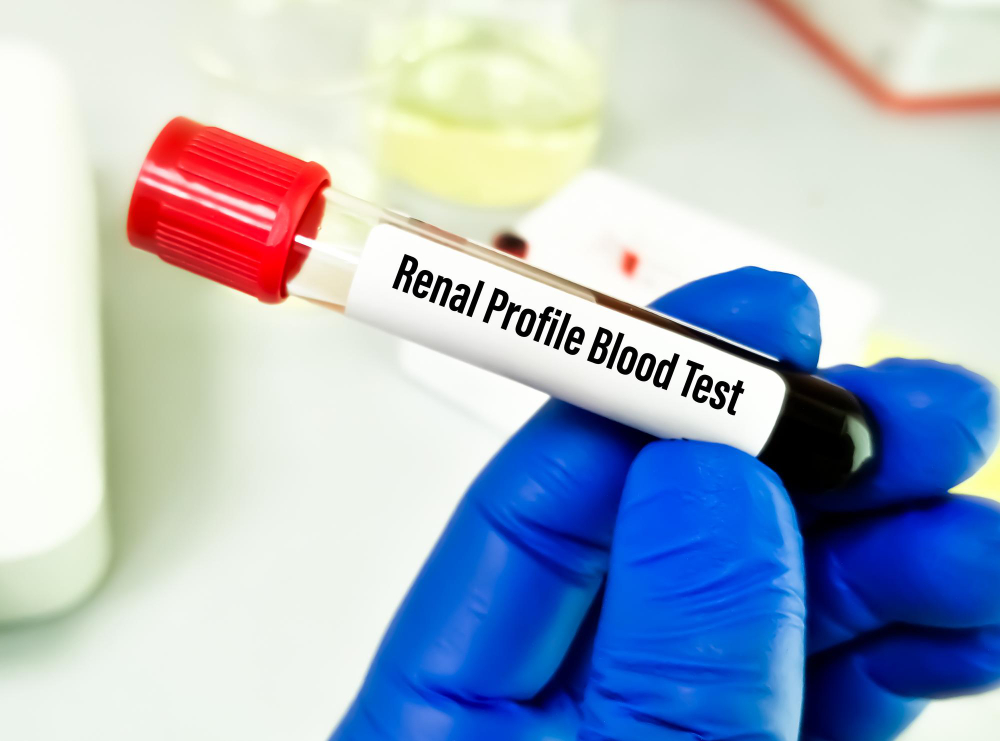
Kidney function tests are blood and urine tests that check how well your kidneys are doing their job. These tests look for signs of kidney damage or disease. For example, they measure how well your kidneys filter waste and balance fluids. Doctors use these tests to find problems early, even before you feel sick. As a result, you can get treatment sooner and protect your health.
Why Are Kidney Function Tests Important?
First, kidney function tests can catch kidney problems early. Many kidney diseases do not show symptoms at first. Because of this, you may not know you have a problem until it is serious. Early testing helps you and your doctor take action quickly. In addition, these tests help track kidney health if you have diabetes, high blood pressure, or a family history of kidney disease. According to the CDC, early detection can slow or prevent kidney failure.
Common Types of Kidney Function Tests
There are several tests doctors use to check kidney health. Some of the most common include:
Each test gives important clues about your kidney health. Your doctor may order one or more tests based on your needs.
Signs You May Need a Kidney Function Test
Sometimes, your body gives warning signs that your kidneys may not be working well. For example, you may notice:
Additionally, if you have diabetes, high blood pressure, or a family history of kidney disease, you should get tested regularly. Early testing can help prevent serious problems.
How Kidney Function Tests Are Performed
Most kidney function tests are quick and easy. Usually, a nurse or technician will take a small blood sample from your arm. Sometimes, you may need to give a urine sample. The process is simple and does not take long. Afterward, your doctor will review the results and explain what they mean. Because these tests are safe and painless, you can get them done during a regular check-up.
Understanding Your Test Results
After your tests, your doctor will look at the numbers to see how well your kidneys are working. For example, a high creatinine or BUN level may mean your kidneys are not filtering waste well. A low eGFR can also signal a problem. If your urine has protein or blood, it could be a sign of kidney damage. However, only your doctor can explain what your results mean for you. Sometimes, other factors can affect your test results, so it is important to talk with your healthcare provider.
Tips for Maintaining Healthy Kidneys
There are many ways to keep your kidneys healthy. Here are some simple tips:
By following these steps, you can lower your risk of kidney disease and stay healthy longer.
When to Consult a Urologist
If you notice any signs of kidney problems or have risk factors, it is wise to see a urologist. Urologists are doctors who specialize in kidney and urinary health. They can help diagnose and treat kidney issues early. In addition, if your test results are not normal, your doctor may refer you to a urologist for further care. Early action can make a big difference in your health.
Conclusion: Kidney function tests are crucial for your health because they help find problems early. If you have risk factors or symptoms, talk to your doctor or a urologist. Regular testing and healthy habits can protect your kidneys for life.