Introduction
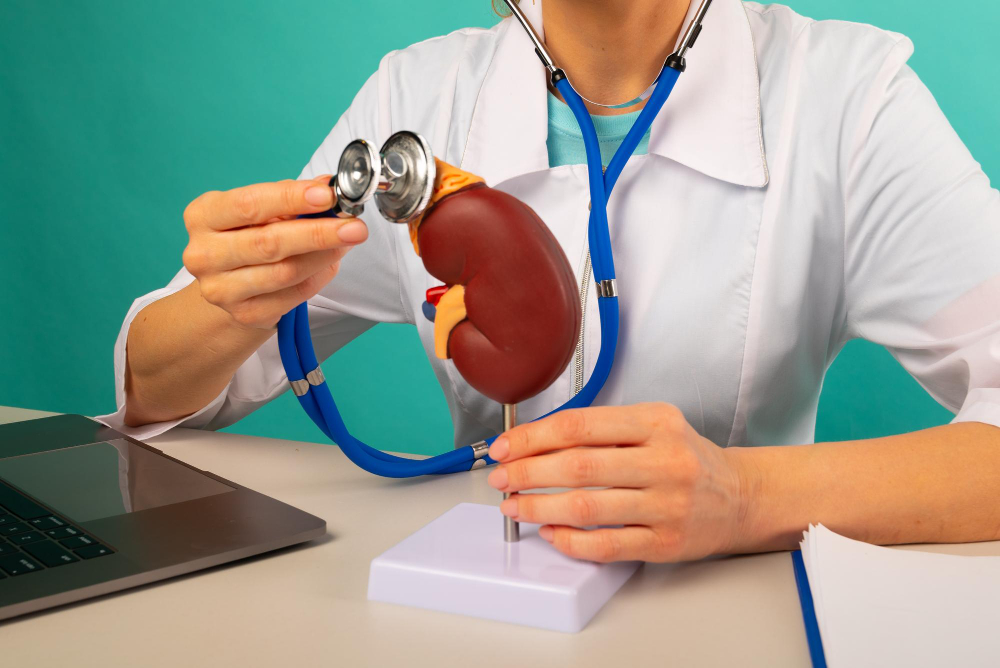
Your kidneys play a vital role in your overall health. They remove waste, balance fluids, and help control blood pressure. Because of this, keeping healthy kidney function is important for everyone. In this blog, you will learn how to maintain healthy kidney function with easy steps. These kidney health tips can help you prevent kidney disease and enjoy better wellness every day.
Why Healthy Kidneys Matter
Healthy kidneys filter your blood and remove toxins. They also help keep your bones strong and control your body’s salt and water balance. When your kidneys work well, you feel better and have more energy. However, if your kidneys are not healthy, waste can build up in your body. This can lead to serious health problems. Therefore, caring for your kidneys is key to long-term health.
Common Risk Factors for Kidney Problems
Some people have a higher risk of kidney issues. Knowing these risk factors can help you take action early. For example, you may be at risk if you have:
Because these factors can harm your kidneys, it is important to manage them with your doctor’s help.
Daily Habits to Support Kidney Health
Simple daily habits can make a big difference for your kidneys. For instance, you can:
Additionally, regular check-ups can help catch kidney problems early. These steps are easy to follow and support healthy kidney function every day.
Diet and Hydration Tips for Healthy Kidneys
What you eat and drink affects your kidneys. Therefore, making smart choices can protect them. Here are some best foods for kidney health and hydration tips:
Because a healthy diet supports your kidneys, try to make these changes part of your routine. If you have questions, a dietitian can help you plan meals that are good for your kidneys.
Warning Signs of Kidney Issues
Sometimes, kidney problems do not cause symptoms at first. However, you should watch for these warning signs:
If you notice any of these symptoms, see your doctor right away. Early treatment can prevent further damage.
When to See a Urologist
Although many kidney issues can be managed by your primary doctor, sometimes you need a specialist. You should see a urologist if you:
Because urologists are experts in kidney and urinary health, they can help you get the right care.
Prevention and Lifestyle Guidance
Preventing kidney disease is possible with a few lifestyle changes. For example, you can:
Because prevention is easier than treatment, start these habits today. The World Health Organization and CDC both recommend these steps for better kidney health.
In summary, healthy kidney function is vital for your well-being. By following these tips, you can protect your kidneys and lower your risk of disease. For personalized advice, consult a urologist or healthcare professional. Your kidneys will thank you for it!