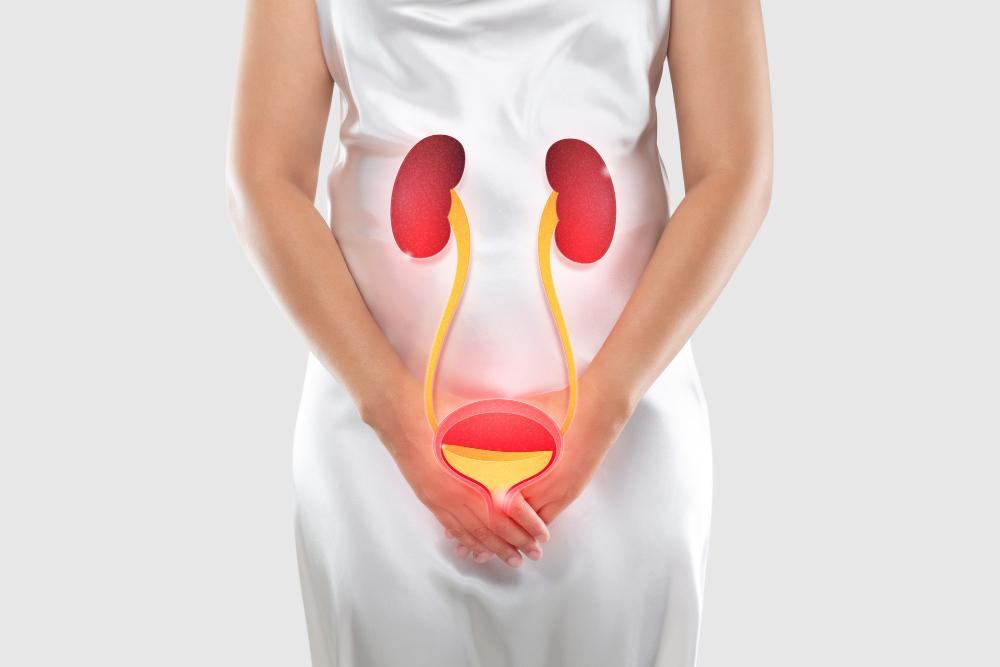
What is Urosepsis?
Urosepsis is a serious infection that starts in the urinary tract and spreads to the bloodstream. Because it can quickly become life-threatening, early treatment is very important. The urinary tract includes the kidneys, bladder, ureters, and urethra. When bacteria from a urinary tract infection (UTI) enter the blood, they can cause urosepsis. According to the World Health Organization (WHO), sepsis is a leading cause of death worldwide. Urosepsis is a type of sepsis that needs urgent care. If you or someone you know has a UTI and feels very unwell, it is important to act fast.
Symptoms of Urosepsis
Recognizing urosepsis symptoms early can save lives. While symptoms may start mild, they can worsen quickly. Therefore, knowing what to look for is key. Common signs include:
If you notice these symptoms, especially after a UTI, seek medical help right away. Early action can prevent serious problems.
Causes and Risk Factors
Urosepsis usually starts with a urinary tract infection. However, not everyone with a UTI will get urosepsis. Some people are at higher risk. For example, older adults, people with weak immune systems, and those with kidney stones face greater danger. Other risk factors include:
Because these factors make infections harder to fight, it is important to manage them well. If you have any of these risks, talk to your doctor about ways to prevent urosepsis.
How Urosepsis is Diagnosed
Doctors use several steps to diagnose urosepsis. First, they ask about your symptoms and medical history. Next, they check your vital signs, such as temperature, heart rate, and blood pressure. To confirm the diagnosis, doctors may order:
Because urosepsis can worsen quickly, doctors often start treatment before all test results are back. Early diagnosis and care improve the chances of recovery.
Treatment Options for Urosepsis
Treating urosepsis requires urgent medical care. Most people need to stay in the hospital. Doctors usually give strong antibiotics through a vein. In some cases, other treatments are needed, such as:
Because every case is different, doctors create a treatment plan based on your needs. Quick treatment lowers the risk of serious problems, like organ failure.
Prevention Tips
Although not all cases can be prevented, there are steps you can take to lower your risk of urosepsis. For example, you can:
Because prevention is easier than treatment, these habits can help protect your health.
When to Seek Medical Help
If you have a urinary tract infection and start to feel very sick, do not wait. Seek medical help right away if you notice:
Early treatment can save your life. If you are unsure, it is always better to ask a healthcare professional.
If you notice symptoms of urosepsis, consult a healthcare specialist immediately for personalized care.