Introduction
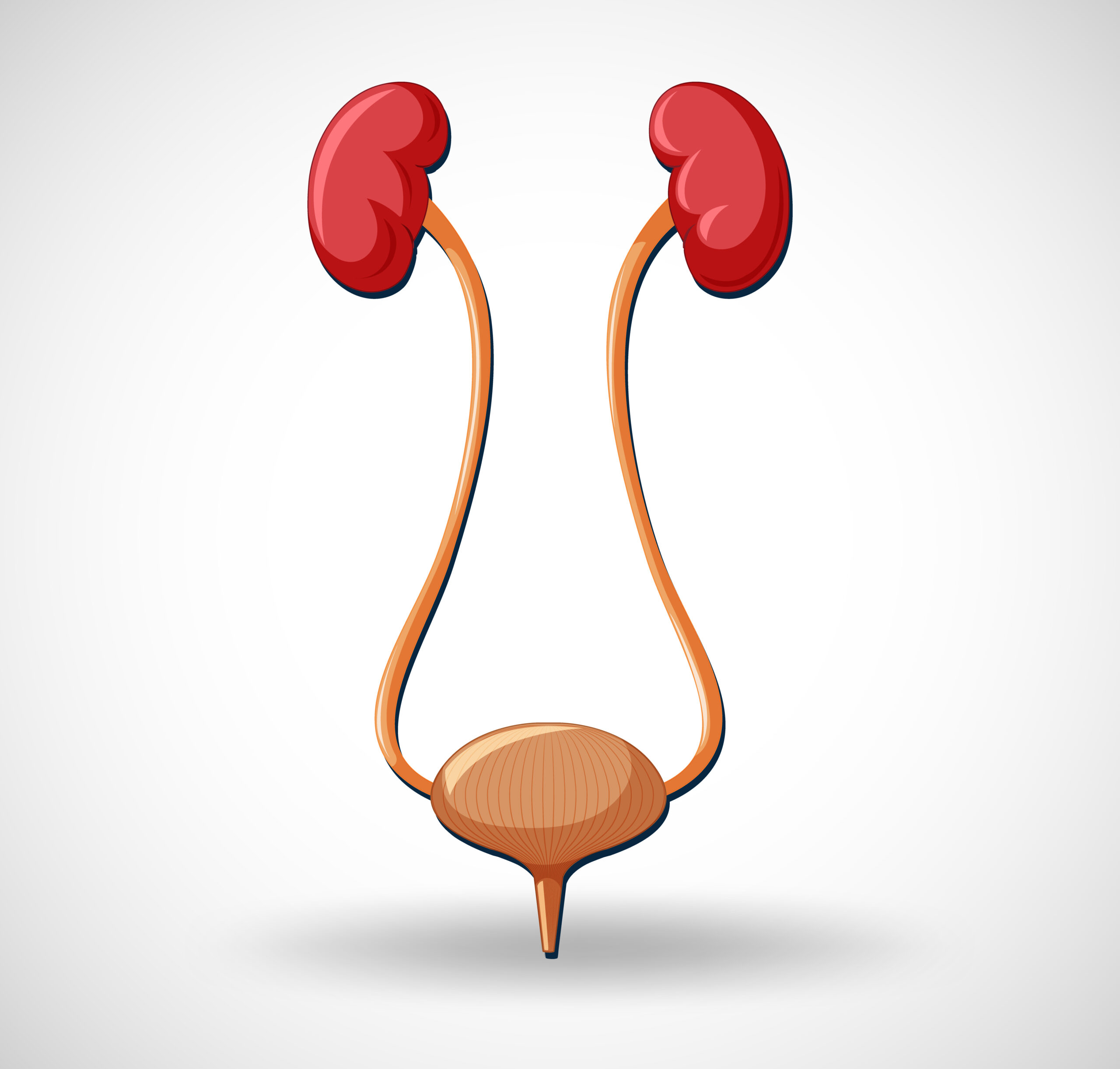
A ureterocele is a swelling at the end of one of the tubes (ureters) that carry urine from the kidney to the bladder. This condition can affect both children and adults. Because ureterocele can block urine flow, it may lead to infections or kidney problems. Early detection and treatment are important. In this blog, you will learn about ureterocele symptoms, causes, diagnosis, treatment options, and prevention tips.
Symptoms of Ureterocele
Many people with ureterocele do not notice symptoms at first. However, as the swelling grows, problems may appear. For example, children and adults may experience:
Sometimes, symptoms are mild. But if you notice any of these signs, it is wise to see a doctor soon.
Causes and Risk Factors
Ureterocele often develops before birth. It happens when the end of the ureter does not form correctly. As a result, urine flow is blocked or slowed. Some risk factors include:
Although most cases are present at birth, adults can develop ureterocele due to scarring or injury. Understanding these causes helps with early detection and care.
Diagnosis Methods
Doctors use several tests to diagnose ureterocele. First, they may ask about symptoms and do a physical exam. Then, they may order imaging tests, such as:
With these tests, doctors can see how severe the ureterocele is and plan the best treatment. If you wonder how ureterocele is diagnosed, these are the main steps.
Treatment Options
Treatment for ureterocele depends on age, symptoms, and how much the urine flow is blocked. Common ureterocele treatment options include:
In many cases, surgery helps restore normal urine flow and prevents future problems. For those seeking ureterocele treatment in their city, local urologists can provide guidance.
Prevention and Lifestyle Tips
While you cannot always prevent ureterocele, some steps may help lower risks or avoid complications. For example:
Although prevention is not always possible, these tips support urinary health and may help spot problems early.
When to See a Doctor
It is important to seek medical help if you or your child has:
Early treatment can prevent kidney damage and other issues. Therefore, do not wait if you notice these signs.
Conclusion
Ureterocele is a condition that can affect anyone, but early detection and treatment make a big difference. If you notice symptoms or have concerns, consult a urologist for personalized guidance.