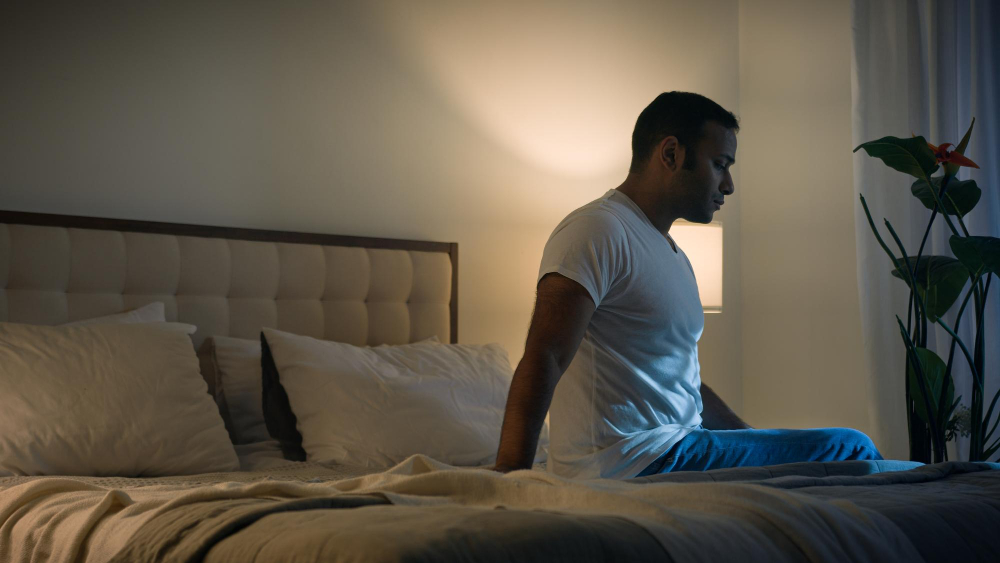
What Is Nocturia?
Nocturia means waking up during the night to urinate. Many people experience this problem, especially as they get older. While it is common to wake up once in a while, frequent urination at night can disturb your sleep. Because of this, you may feel tired during the day. Nocturia is not a disease, but it can be a sign of other health issues. Understanding nocturia can help you find ways to manage it.
Common Symptoms of Nocturia
Nocturia has a few clear signs. If you notice these symptoms, you may be dealing with this condition. For example, you might:
Sometimes, you may also feel thirsty or need to drink water at night. However, not everyone with nocturia has all these symptoms.
Causes: Why Do You Wake Up to Urinate?
There are many reasons for frequent urination at night. Some causes are simple, while others may need medical attention. Here are common nighttime urination causes:
Sometimes, age plays a role. As people get older, their bodies make more urine at night. In the US and UK, cold weather can also make you urinate more often at night.
How Is Nocturia Diagnosed?
Doctors use several steps to diagnose nocturia. First, they will ask about your symptoms and health history. Next, you may need to keep a diary of your fluid intake and bathroom trips. This helps your doctor see patterns. Sometimes, your doctor will order urine or blood tests. These tests can check for infections, diabetes, or kidney problems. In some cases, you may need more tests, like a bladder scan. According to the CDC, early diagnosis helps find the right treatment.
Treatment Options for Nocturia
Treatment depends on the cause of your nocturia. Often, simple changes can help. However, some people may need medicine or other treatments. Common options include:
Your doctor will help you choose the best treatment. For some, a mix of treatments works best.
Lifestyle Tips to Manage Nocturia
There are many ways to reduce nighttime urination. Try these tips to help manage nocturia:
Additionally, keeping a sleep schedule can improve your rest. If you live in the US or UK, consider using a nightlight to prevent falls during nighttime trips to the bathroom.
Preventing Nocturia: Practical Advice
While you may not always prevent nocturia, you can lower your risk. For example, you can:
Because prevention is easier than treatment, these steps can help you sleep better and feel more rested.
When to See a Doctor
Nocturia is common, but sometimes it signals a bigger problem. You should see a doctor if you:
Early care can help find and treat the cause. According to the World Health Organization, regular checkups are important for your health.
If you experience frequent nighttime urination, consult a urologist for personalized advice.